

Charleston: Szczecin’s Musical and Dance Nightlife, 1918–1933

More information
The musical and dance nightlife of Szczecin between 1918 and 1933 flourished, making the capital of the Pomeranian Province an exceptionally attractive cultural and entertainment centre that drew distinguished German and European artists.
The city’s wealth of cultural institutions and entertainment venues—including theatres, cabarets, cinemas, restaurants, cafés, wine bars, bars, and the large entertainment and dining complexes known as “palaces”—provided both residents and visitors with a rich programme of evening attractions, so eagerly sought during the exuberant era of the Golden Twenties.
Following the end of the First World War, people longed to escape the hardships of recent years, and music and dance offered the perfect means of doing so. The latest trends in nightlife, arriving primarily from nearby Berlin, found particularly fertile ground in Szczecin. The Pomeranian metropolis quickly developed the necessary infrastructure and attracted talented performers, enabling it to keep pace with the rapidly evolving entertainment industry.
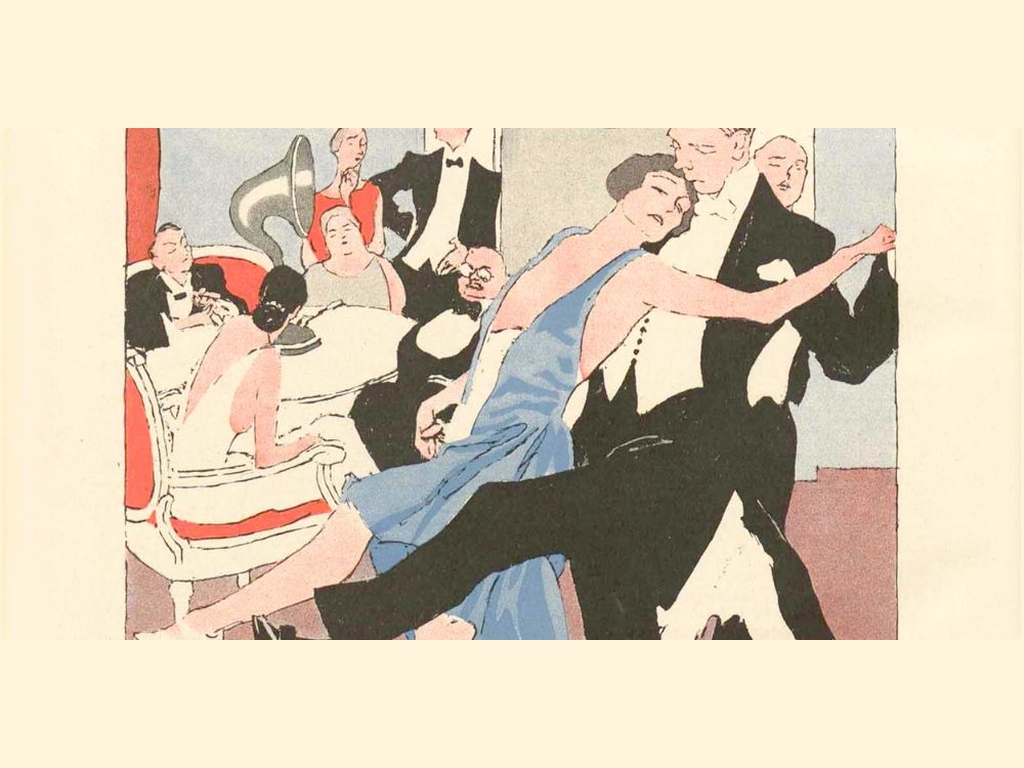
Presented at the National Museum in Szczecin, the exhibition explores the musical and dance nightlife of the city’s inhabitants during the brief existence of the Weimar Republic—a democratic state whose liberal policies fostered unprecedented freedoms in many aspects of German social life. The Charleston, referenced in the exhibition’s title, serves as a symbolic term for the vibrant, revolutionary, convention-defying modern dance introduced to Germany from the United States, as well as for the wider cultural phenomena that shaped Szczecin’s evening entertainment scene throughout the 1920s and early 1930s under the influence of German and European trends.
The exhibition takes visitors on a journey through Szczecin’s most important music and dance venues between 1918 and 1933. It presents their evening programmes and interior designs, introduces singers, musicians, and dancers active in the city, and tells the story of the bands and orchestras—both classical and popular—that performed there. It also explores the city’s nightlife, the carnival season, evening fashion, private music salons, the numerous schools of modern dance, and devices used for music reproduction, such as gramophones and radio receivers, through which the inhabitants of the City of the Griffin enjoyed music at family gatherings and private parties.
The exhibition will be accompanied by a publication issued by the National Museum in Szczecin, as well as a programme of related events, including curator-led tours, thematic lectures, a concert, Charleston dance workshops, a dance evening, and a fashion show inspired by the styles of the 1920s and 1930s.
The tourszczecin.eu team takes no responsibility for any changes in time and place of the tour.